
Can You Refuse a Breathalyzer Test in Georgia?
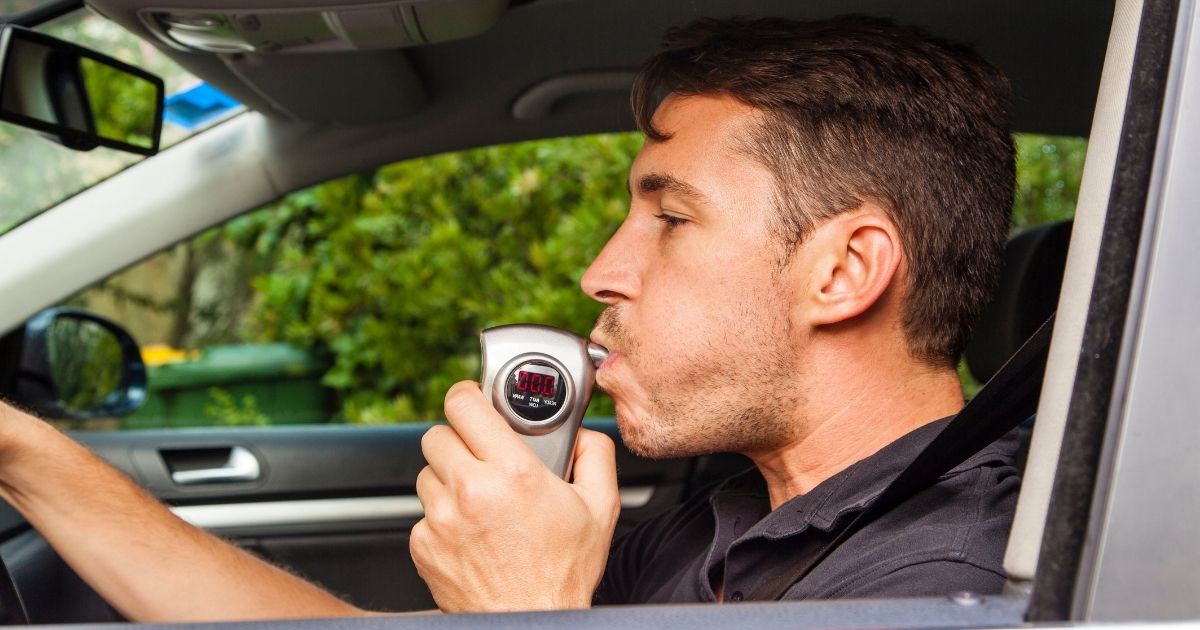
Getting pulled over on suspicion of drunk driving can feel frightening, especially when an officer asks for a breathalyzer test. Many drivers face this situation without knowing their rights or the consequences of their decisions. Georgia law requires motorists to make quick choices about testing, and those decisions carry serious legal weight.
What Is Georgia’s Implied Consent Law?
Georgia operates under an “implied consent” law, which means anyone who drives on state roads automatically agrees to submit to chemical testing if an officer suspects impaired driving. This law applies to breath, blood, and urine tests. Officers must read a specific notice explaining the consequences before requesting a test. Drivers who refuse can face automatic license suspension, regardless of whether they were actually intoxicated at the time of the stop.
Can Drivers Legally Refuse a Breathalyzer Test?
Drivers have the legal right to refuse a breathalyzer test in Georgia, although this choice comes with significant penalties. The refusal triggers an automatic administrative license suspension separate from any criminal charges. First-time refusals result in a one-year suspension, while repeat refusals within five years lead to longer suspensions. Additionally, prosecutors can use the refusal as evidence of consciousness of guilt in court proceedings.
What Happens After Refusing a Breathalyzer Test?
After refusing a breathalyzer test, the arresting officer typically confiscates the driver’s license and issues a temporary driving permit valid for 45 days. The Georgia Department of Driver Services then initiates administrative proceedings for license suspension. Drivers have only 30 days from the arrest date to request an administrative hearing to challenge the suspension. Missing this deadline means losing the opportunity to contest the automatic suspension through administrative channels.
What Role Do Field Sobriety Tests Play Alongside Breathalyzer Refusals?
“Field sobriety tests” often precede breathalyzer requests and provide officers with additional evidence of impairment. These roadside tests include walking in a straight line, standing on one leg, and following a pen with the eyes. Unlike breathalyzer tests, drivers can refuse field sobriety tests without triggering automatic license suspension. However, officers still use any observations from these tests in their reports and testimony, building a case based on physical coordination and behavior patterns.
Does Refusing Help or Hurt a DUI Case?
Refusing a breathalyzer test eliminates direct evidence of Blood Alcohol Concentration (BAC), which prosecutors need to prove impairment. Officers can still testify about field sobriety tests, driving behavior, and physical signs of intoxication. Georgia law prohibits prosecutors from mentioning breath test refusals in criminal trials, although refusals of blood or urine tests can be introduced as evidence. The absence of a specific BAC reading sometimes makes cases harder to prosecute, though many convictions still occur based on officer testimony and observations.
Are There Exceptions to the Implied Consent Law?
Georgia law provides limited exceptions to implied consent requirements. Unconscious drivers cannot consent to testing, so medical professionals may draw blood without explicit permission in certain situations. Furthermore, drivers under 21 face stricter rules under Georgia’s “Zero-Tolerance” policy. Commercial driver’s license holders also face additional federal testing requirements beyond standard state law, making their situations more complicated when considering whether to refuse testing.
Can Drivers Get Their License Back After Refusing?
Getting a license reinstated after refusing a breathalyzer requires completing the administrative suspension period and paying reinstatement fees. Drivers may qualify for limited driving permits during suspension periods, allowing them to drive to work, school, or medical appointments. These permits require proof of hardship and potential installation of ignition interlock devices. Multiple refusals result in longer suspensions and stricter requirements for reinstatement.
Our Experienced Springfield Criminal Defense Lawyers at Kicklighter Law Stand Ready to Protect Your Rights
If you have concerns about a breathalyzer test in Georgia, contact our Springfield criminal defense lawyers at Kicklighter Law. For an initial consultation, call today at 912-754-6003 or contact us online. Located in Springfield, Georgia, we gladly serve clients in the surrounding areas.