
Springfield Grocery Store Falls: What You Need to Know
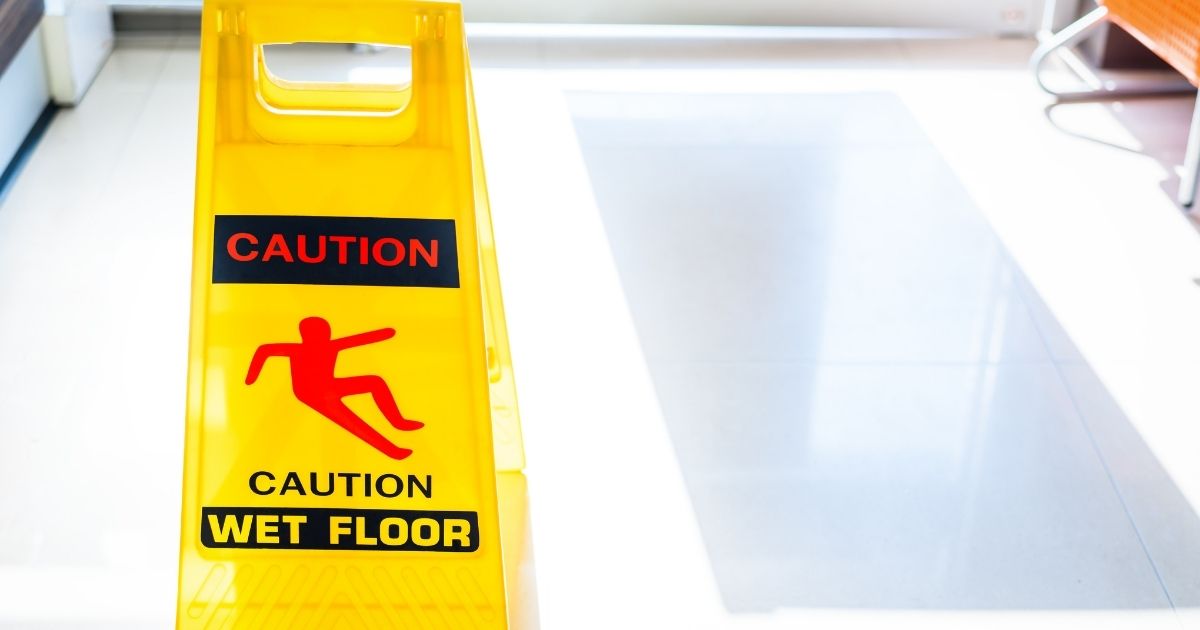
Grocery store slip and fall accidents can happen to anyone, at any time: A simple spill or slick floor can lead to serious injuries like twisted ankles, broken bones, or even head trauma. If you know your rights and the steps to take after a slip and fall accident, you can help protect your health and finances in the legal aftermath.
Why Are Grocery Stores Risky for Slip and Falls?
Poor lighting and crowded aisles can hide hazards like spilled drinks, produce mist, or recent mopping on the floor—and victims often do not notice these puddles until it is too late. Even minor spills can turn into dangerous situations when left unattended.
How Does Georgia Law Protect Shoppers?
Under Georgia’s “premises liability” rules, grocery stores must keep their premises safe for customers, who the law considers to be legal invitees. If a store fails to clean up hazards promptly or put up warning signs, victims can hold the store responsible for any resulting injuries.
What Do You Have to Prove in a Slip and Fall Case?
First, you must show that the store owed you a duty of care by keeping its floors safe. Next, you need to demonstrate that the store knew—or should have known—about the dangerous condition and failed to address it. Finally, you must connect that failure directly to your injuries, proving that you suffered real harm (such as medical bills or lost wages).
How Is Store Knowledge of Hazards Established?
Grocery stores often keep cleaning logs and inspection records that list when aisles were checked for spills. If employees reported a spill but did not clean it up promptly, that counts as “actual” knowledge. “Constructive” knowledge, on the other hand, applies when a hazard existed long enough that routine checks should have uncovered it.
Can an “Open and Obvious” Defense Still Hurt Your Case?
If a hazard was plainly visible—like an unattended puddle under bright lights—a store may argue that you should have seen it. However, this defense only applies when the danger is truly obvious: If the store created the hazard or failed to warn you properly, they may remain liable regardless of visibility.
What Steps Should You Take Immediately After a Fall?
- Seek Medical Care: Even if you feel fine, some injuries do not show symptoms right away.
- Document the Scene: Take photos of the spill, your injuries, and any warning signs (or lack thereof).
- File an Incident Report: Ask store management to create and date-stamp a report of the fall.
- Collect Witness Information: Get names and contact details of anyone who saw what happened.
- Preserve Evidence: Keep any clothing or shoes you were wearing at the time.
How Can You Prevent Future Falls at Grocery Stores?
Wear shoes with good traction and avoid texting or browsing on your phone while walking. Pay extra attention in produce, deli, and frozen food sections, where floors are often wet or slick. If you notice a spill, report it immediately to store staff and be cautious until they clean it up.
What Compensation Can You Pursue?
Victims can seek medical expense reimbursement, payment for lost wages if they missed work, and compensation for pain and suffering. Georgia allows you two years from the date of injury to file a premises liability lawsuit, so make sure to act quickly.
Get Legal Help From Our Springfield Slip and Fall Lawyers at Kicklighter Law
You do not have to face the physical, emotional, and legal aftermath alone if you have suffered injuries during a slip and fall accident. Our Springfield slip and fall lawyers at Kicklighter Law bring over 40 years of experience, with more than 75 jury trials and negotiated settlements in over 7,000 cases. For an initial consultation, call today at 912-754-6003 or contact us online. Located in Springfield, Georgia, we serve clients in Effingham County, Savannah, and the surrounding areas.