What If I Suffered a Spinal Injury in a Car Accident?

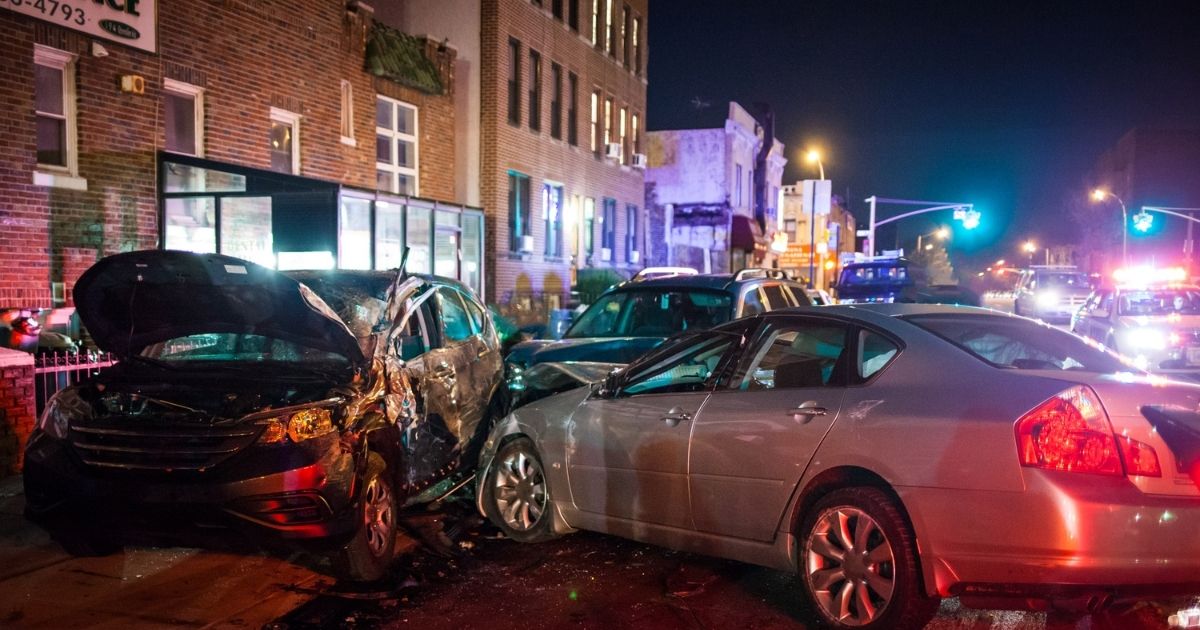
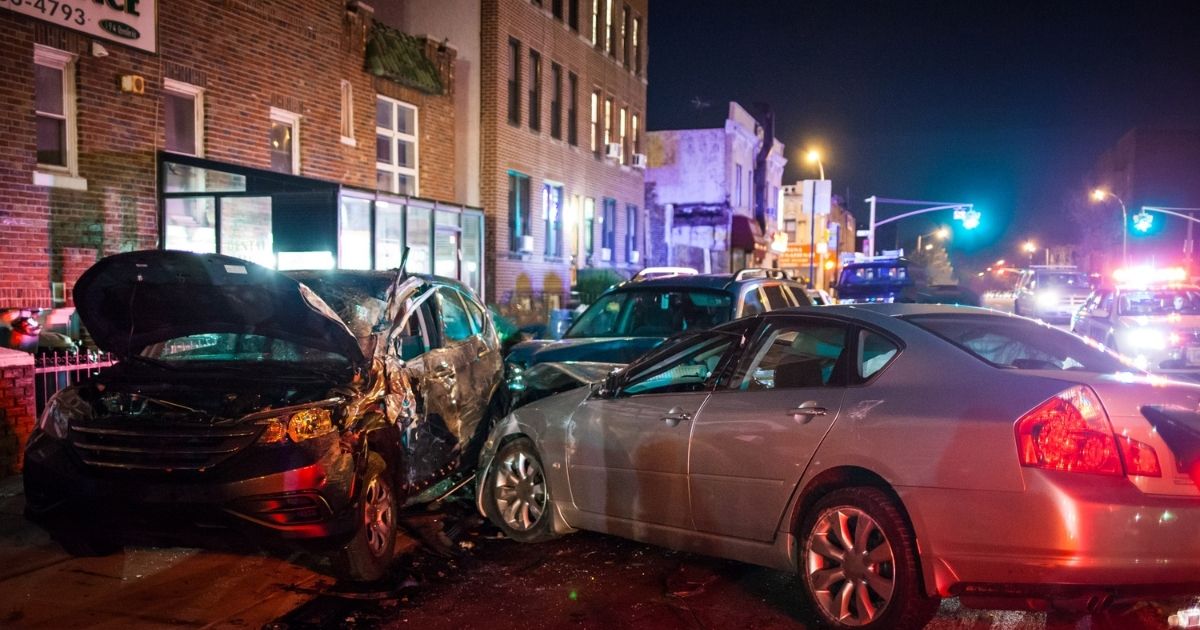
Car accidents cause a range of injuries, from minor cuts and scrapes to broken bones, organ damage and traumatic brain injuries (TBIs). One of the most traumatic and potentially life-altering types of injuries that can result from a car accident are spinal injuries. While spinal injuries range in severity from minor whiplash to permanent paralysis, and even death, most spinal injuries require extensive, ongoing medical care. If you suffered a spinal injury in a car accident that was caused by the other driver’s negligence, contact a car accident lawyer who can assist you with a personal injury claim. The costs associated with a spinal injury can accumulate very quickly, and a successful outcome will ensure that you receive the financial compensation you deserve. 

How Common Are Spinal Injuries?

According to the National Spinal Cord Injury Statistical Center (NSCISC), approximately 17,800 people suffer spinal injuries each year in the United States, and close to 40 percent of those injuries are caused by car accidents. When two vehicles collide, the impact causes jerking and significant compression for the passengers inside the vehicle. The faster the vehicles are traveling at the moment of impact, the greater the force involved in the impact. In most cases, this dramatically increases the severity of the spinal injury. However, even relatively minor accidents can cause serious spinal injuries, including paralysis, if your head was turned in a certain direction, the seat was not in the proper position, or you suffered from a spinal condition that made you more susceptible to additional trauma.

What Are the Most Common Spinal Injuries Caused by Car Accidents?

Spinal injuries are among the most severe types of injuries that can result from a car accident. Unfortunately, they are also among the most common. Depending on the area of the spine that is affected, and the force of the impact, spinal injuries can range from a relatively minor soft-tissue injury to permanent paralysis. The following are examples of the most common types of spinal injuries that are caused by car accidents:

  • Whiplash: This is the most common car accident-related spinal injury. While whiplash is a soft-tissue injury that causes damage to the tendons in the neck, complications from whiplash can affect the spine as well. Some victims may experience chronic whiplash, which can cause ongoing pain and emotional distress. In most cases, people with whiplash will recover within a few days or weeks, depending on the severity of the injury. Ice and/or heat therapy, pain medication and muscle relaxers can provide relief from the discomfort.
  • Herniated or ruptured disc: The spine is made up of vertebrae, which are small bones that form the spinal column. In between each vertebrae are cushioning discs that prevent the bones from rubbing together. The impact of a car accident can cause the discs to shift, tear, or rupture. This can cause numbness and radiating pain in the area that has been affected by the injury. Treatment options include anti-inflammatory medication, epidural steroid injection, chiropractic care, and surgery, depending on the severity of the injury.
  • Spinal fracture: When the impact of a car accident causes vehicle occupants to be jerked from one direction to another, the resulting impact can cause a compression fracture of the spine. A car accident can also cause spondylolisthesis, which occurs when a vertebra is fractured and moves or puts pressure on the spinal column. Depending on the nature of the accident, the victim can suffer a spinal fracture, spondylolisthesis, or both. Common symptoms include pain, numbness, and difficulty with bladder control. Treatment options include rest, physical therapy, and surgery if other, less invasive options are not effective.
  • Spinal stenosis: This is not generally caused by car accidents, but a car accident can cause someone who has asymptomatic stenosis to experience pain, numbness and other complications associated with a deteriorating spine. If you suffer from spinal stenosis that was aggravated by a car accident, it is highly recommended that you consult with a car accident lawyer. The other driver involved in the accident may claim that your spinal injury was pre-existing, and not caused by the car accident. A dedicated lawyer will ensure that you receive the compensation you deserve.
  • Facet joint injuries: Facet joints are located in the spine, and act as a hinge between each vertebra. These joints can become injured in car accidents. Common treatment options include physical therapy, facet injections, chiropractic care, dry needling, and ablation procedures.
  • Spinal cord damage: These tend to be the most serious types of spinal injuries as they can cause permanent paralysis in the body below the injury site. Even if the damage to the spinal cord does not result in paralysis, the victim can experience impaired movement and sensation. Treatment options may be limited to experimental treatment and clinical trials.

What Are the Common Symptoms of a Spinal Injury?

There are a wide range of symptoms you may experience if you suffered a spinal injury in a car accident, the severity of which will depend on the nature of the accident and the force of the impact. If you experience any of the following symptoms, it is imperative that you seek immediate medical attention:

  • Loss of bowel or bladder control
  • Loss of sense of temperature and touch
  • Loss of sexual function
  • Muscle spasms
  • Muscle weakness
  • Numbness
  • Painful sensation along the spine
  • Problems with digestion
  • Tingling sensation

What Are the Costs Associated with a Spinal Injury?

Treating a spinal injury can be extremely costly, particularly if the injury resulted in permanent paralysis, and you are unable to return to work for an extended period, or permanently. Whether you require surgery, ongoing physical therapy, prescription medication to treat your injury, or the car accident caused a more serious, permanent spinal injury, the medical bills, lost wages, and other expenses start to accumulate very quickly. According to the NSCISC, the following are examples of annual healthcare costs and living expenses for victims of spinal cord injuries:

  • Paraplegia injury: First year expenses totaled approximately $550,380 and were $72,910 for each subsequent year.
  • Quadriplegia injury: First year expenses totaled approximately $1,129,300 and were $196,100 for each subsequent year.

How Do I Prove That My Spinal Injury Was Caused by a Car Accident?

Any time you are injured in a car accident, it is crucial that you seek immediate medical attention. If you believe that you suffered a spinal injury, notify the healthcare provider of any pain, discomfort, numbness or tingling that you are experiencing, and the area of your spine that is affected. The healthcare provider will order tests, including an MRI or a CT scan, to determine the type and severity of your injury. These tests will help the doctor diagnose your injury and recommend the most effective course of treatment. The test results may also help prove that the car accident caused the injury, so make sure that you obtain copies of all medical records and test results.

The key to a successful personal injury claim is that you are able to prove that the other driver was negligent at the time of the accident. In order to prove negligence, your claim must show the following:

  • The other driver’s careless or irresponsible behavior caused the accident.
  • You suffered a spinal injury as a result of the accident.
  • You suffered damages as a result of the accident and the spinal injury.

When filing a claim, it is important to understand that insurance companies are in the business of making money, and they will resort to a range of tactics to avoid paying a hefty settlement. For example, they may argue that your spinal injury was caused by something other than the car accident, or that you were liable for causing the accident. The more evidence you are able to collect that proves that the other driver is at fault, the more likely it is that you will have a successful claim. Make sure that you collect the following evidence from the scene if you are physically able to do so:

  • Take pictures of the damage to the vehicles involved, skid marks on the road, the position of the vehicles, and any other images that will help prove fault.
  • Talk to witnesses who saw the accident happen and ask if they would provide a statement.
  • Obtain a copy of the police report, which may specify which motorist was at fault for causing the accident.

Savannah Car Accident Lawyers at Kicklighter Law Advocate for Victims of Spinal Injuries

If you or a loved one suffered a spinal injury in a car accident, do not hesitate to contact the Savannah car accident lawyers at Kicklighter Law. Our dedicated legal team will thoroughly review the details of your case and determine who is responsible for causing the accident. If negligence was involved, we will assist you with every step of the claims process and ensure that you receive the maximum financial compensation you deserve for your injuries. We will continue to fight for you until you are completely satisfied. To schedule a confidential consultation, call us today at 912-754-6003 or contact us online. With our offices located in Springfield, Georgia, we proudly serve all clients of Effingham County, Savannah, and surrounding areas.

How Can I Avoid a Car Accident This Halloween?

Every year, children look forward to Halloween so they can dress up as their favorite movie character or superhero, turn pumpkins into creepy jack-o-lanterns and collect as much candy as their trick-or-treat bags will hold. Even adults get in on the fun by throwing elaborate costume parties and haunted hayrides. While it is very easy to get caught up in the quest for candy, it is important that children and adults alike to make safety a priority so that a night of tricks and treats does not have tragic consequences. Unfortunately, children are more than twice as likely to be hit by a car on Halloween than any other time of the year. Many of these accidents are preventable by exercising caution, particularly when driving through residential areas where children are more likely to be trick-or-treating and running across the street.

Why Are There More Car Accidents on Halloween?

Unfortunately, there are unique factors that can increase the risk of a serious car accident on Halloween. Many of these hazards are preventable, particularly if you are aware of the hazards and the steps you can take to avoid them. The following are examples of some of the most common causes of car accident on Halloween:

  • More pedestrians on the roads. Children who are out and about trick-or-treating often dart out into the street without checking to see if a car is coming. For smaller children, trick-or-treating happens at dusk when the sun is starting to set, which can make it more difficult for motorists to see pedestrians, particularly if they are wearing a dark costume.
  • Increase in drunk drivers. Children are not the only ones who enjoy getting dressed up and celebrating Halloween. However, whereas children collect as much candy as they can, adults tend to overdo it with the amount of alcohol that they consume. Too often, partygoers will get behind the wheel after a Halloween party, which can have devastating consequences if the motorist hits another vehicle or a pedestrian.
  • Inexperienced teen drivers on the roads. Even if a teen driver has not been drinking, they are not experienced drivers. As a result, they may be less equipped to react quickly to an unexpected hazard, like a drunk driver or a child running across the street without looking.
  • More distracted drivers. There are a wide range of spooky sights and sounds that can distract drivers on Halloween. From the elaborate decorations that people put out on their lawns to the adorable and creative costumes that trick-or-treaters are wearing, these can take motorists’ attention away from the road.
  • Road conditions in the fall. By the time Halloween arrives, it gets dark much earlier. In addition, many of the leaves have fallen from the trees. This can cause slippery road conditions, particularly if it starts to rain. A wet patch of leaves on the road can be just as slippery as a patch of ice.

How Can Motorists Avoid an Accident on Halloween?

Whether you are driving in a residential area or a busy city, all motorists have a responsibility to prioritize safety. On Halloween, there are significantly more children and pedestrians on the roads, so it is imperative that you use extra caution and keep the following safety tips in mind:

  • Slow down. The National Safety Council (NSC) recommends that all motorists drive below the speed limit when driving in a residential area, particularly during the hours of 4:00 p.m. and 8:00 p.m., which is the peak trick-or-treating time. It is recommended that you reduce your speed to 15 mph when driving through a neighborhood so that if you must come to a sudden stop, you will be able to do so in time to avoid hitting another car or a pedestrian. If you do hit a pedestrian when driving at a slow speed, the impact will be less severe than if you were driving faster.
  • Turn on your headlights. Keep your headlights on, particularly as the sun starts to set. This will make your vehicle more visible to other motorists and pedestrians. In addition, by keeping your headlights on, you will be better able to see trick-or-treaters who may be wearing dark colored costumes.
  • Avoid distractions. Talking on the phone, reading, or sending a text message, and reaching for an item in the back seat are all common distractions that take your attention off the road. It is imperative that you keep your attention focused on the road and the pedestrians crossing the street.
  • Avoid impaired driving. If you are going to a Halloween party where alcohol is going to be served, either avoid driving or make sure that you have a safe ride home, either with a designated driver or a ridesharing service like Uber or Lyft.
  • Use extra caution when backing out of driveways. If you are backing out of your driveway, make sure that there are no children walking by, or standing behind your car. Back up very slowly and look both ways before continuing to back out of your driveway. Most newer vehicles are equipped with rear cross traffic alerts that will notify you if another vehicle or a pedestrian is approaching, but older vehicles do not provide this safety feature, so it is up to you to make sure that there is no one walking past your driveway before you back out.
  • Use signals when dropping kids off. If you are driving a group of kids to trick-or-treat, or to a Halloween party, make sure that you use your signal to alert other drivers that you are pulling over. Tell the children to wait to open the door until there are no cars coming. Turn your hazard lights on while the children are getting out of the car so that oncoming vehicles know to slow down.
  • Pay close attention at crosswalks and intersections. Just because pedestrians are supposed to cross the street at crosswalks does not mean that they are going to always follow this rule. This is particularly true when kids are excited and distracted about getting to the next house to get more candy.
  • Do not wear your costume while driving. If you are attending a Halloween party, wait until you arrive at the party to put your costume on, particularly if your costume has a mask or some type of headpiece. This can impair your peripheral vision, which allows you to scan the road around you. In addition to affecting your vision, a mask can be uncomfortable, causing you to adjust it and become distracted while you are driving.

What Safety Tips Should Trick-or-Treaters Keep in Mind?

Pedestrians should also use extra caution on Halloween, whether they are trick-or-treating or taking the dog for a routine walk. The following safety tips can help pedestrians of all ages have a safe Halloween:

  • All children under the age of 12 should be accompanied by a parent or another responsible adult.
  • If possible, go trick-or-treating before it gets dark, particularly if you are heading out with young children.
  • Put cell phones away while trick-or-treating. If you are reading a text message or talking on the phone, you are more likely to cross the street without looking or pass a driveway where a car is backing up.
  • Make sure that your children walk from house to house. If they start running, they are more likely to run across the street without looking.
  • Choose a costume that has bright colors so that they are more visible to motorists. If the costume is dark, add reflective material to the front and back so that it is easier to see.
  • If you are trick-or-treating after dark, carry a flashlight or glow sticks so that they are more visible to drivers.
  • If you children are going trick-or-treating alone, make sure that they are always with at least one other friend and that they stay together the whole time. If they get separated from each other, tell your child to call you so that he or she is not walking around at night alone.

Springfield Car Accident Lawyers at Kicklighter Law Represent Victims of Halloween Car Accidents

If you or your child was seriously injured in a car accident on Halloween, contact the Springfield car accident lawyers at Kicklighter Law. We will determine who is responsible for causing the accident, help you navigate every step of the claims process, and fight for maximum financial compensation you deserve for your injuries. To schedule a confidential consultation, call us today at 912-754-6003 or fill out our online form. With our offices located in Springfield, Georgia, we proudly serve all clients of Springfield, Effingham County, Savannah, and surrounding areas.

What Are Fall Driving Safety Tips?

Each change of season brings new road conditions to adjust to and safe driving concerns to account for, and autumn is no exception. From temperature fluctuations to increased wildlife activity, drivers should prepare to adjust their highway and rural driving habits from September through December.

To reduce your risk of getting involved in a car accident, keep the following safer driving practices and tips in mind. Each one offers a chance for you to lessen your likelihood of experiencing the stress, damage, and potentially devastating injury that can come after being in a collision.

Drive Cautiously in Fog

A wide difference between nighttime and daytime temperatures starts to become more apparent in the fall. In the evening, temperatures can drop rapidly near the freezing mark. After daybreak, they rise quickly to more moderate levels. This back-and-forth causes a familiar, expected phenomenon: fog.

When you are behind the wheel, fog can obscure other drivers and hazards in the road. Under extremely foggy conditions, you may only be able to see a few feet in front of you, which makes it imperative that you slow down. Otherwise, you could wind up hitting the car in front of you, which would be a classic rear-end crash.

Injuries common to rear-end crashes include whiplash, concussion, and fractured bones. Going below the speed limit in foggy weather provides added protection for you and your passengers. Be sure to keep your headlights on but avoid using your high beams. The light from high beams reflects off fog and actually makes it more difficult for you to spot whatever is ahead.

Expect the Unexpected from Fallen Leaves

Many types of Georgia trees release their brilliantly colored leaves in the fall, which often end up on roads. Though dry leaves tend to blow away and not be problematic to drivers, wet leaves can create slick conditions.

It can be difficult to judge if the leaves you see are dry or wet. Many times, wet leaves become covered by newly fallen dry ones. If you are going too fast for the local conditions, you run the risk of skidding and sliding. Though modern cars are equipped with anti-lock brakes, you can never assume that your brakes will always allow you to regain traction.

As with fog, your best option is to slow down when you are driving over piles of leaves. In the case of residential community driving, avoid parking on what appear to be normal leaf piles. Children and animals may be tempted to hide or play in large leaf piles along the street.

Remember Trick-or-Treat Nights

Halloween is one of the first major Autumn holidays. Though not every family or neighborhood celebrates Halloween with trick-or-treating, many do. Trick-or-treat nights are not always held on October 31, and can vary depending on the day of the week that Halloween falls, or on inclement weather.

On and around Halloween, be prepared to slow down for trick-or-treaters. Ideally, children participating in Halloween evening walks will be dressed in light colors and wear neon or carry lights to make them easier to spot. However, not all kids follow this rule. You may have to drive very slowly around areas where children are likely to be trick or treating.

What if you are going to a Halloween party meant for the adult crowd? In that case, avoid drinking any alcohol unless you are not planning to call a cab or designate a sober driver. Many intoxicated drivers who get into car accidents do not realize how incapacitated they are until it is too late. As the saying goes, “buzzed driving is drunk driving.” Take advantage of ridesharing or let a designated driver take you home after you have had alcoholic drinks.

Watch Out for Darting Deer and Other Animals

Deer activity picks up in the fall due to mating season. This means you may encounter deer anywhere, including on highways. Deer have been known to find their way into urban communities, so always stay alert for their presence.

It can be tough to predict if a deer is going to run out in front of your car. The best way to be ready is to follow posted speed limits. The more control you have over your car speed, the faster you can stop to avoid hitting a deer or other creature.

What should you do if you end up in a deer-related car accident? Pull over to the side of the road if you can. Whether or not the deer is still alive, avoid any contact with it. Call 911 immediately and stay calm while you wait for first responders to arrive. Either on the scene or afterward, see a doctor to find out if you need treatment for any injuries.

Take Young Drivers Out for Extra Driving Practice

Your teenager may have earned a driver’s license over the summer. Countless teens do. Although they passed their test during the warmer weather, they may have limited driving experience during the fall. To fix this issue, take your teen driver out for extra fall driving practice.

For example, you might want to map out a few trips on both highways and rural roads at different times of the day. While acting as a passenger in the car, point out things like the fallen leaves or potential wildlife crossings to your teen. Talk about some safe driving tips that you like to keep in mind or that have helped you become a more confident, safer driver.

Newer drivers may have the legal authority to drive, but they lack your years of experience behind the wheel. By taking a little more time with them, you can improve their skills as well as protect them from getting into a preventable car accident.

Check Your Tire Pressure

If you have a teen or new driver in the house, fall is a good time to conduct a tire experiment. Each day at around the same time, check your tire pressure. You may discover that it can change rapidly. This is due to temperature shifts.

The pressure inside your tires is sensitive to how hot or cold it is outside. This means that you need to ensure your tires are properly inflated regularly. Make this a weekly habit, particularly when the temperatures begin to get very chilly overnight and then spike during the day.

Staying on top of your tire pressure helps avoid the possibility of a blowout-caused car accident. During a tire blowout, you can expect to have trouble controlling the direction of your car. This is why blowouts can cause a lot of damage and injuries as the car skids into objects like guardrails, sound barriers, or other vehicles.

Know that Snow Squalls Can Be Unpredictable

The longer you drive, the more likely you are to encounter unpredictable weather like sudden snow squalls or freak snowstorms, which can occur in the fall. All it takes is the right combination of precipitation and temperature to create a snow-linked road hazard.

Driving in a sudden white-out can be very difficult, even if you are a seasoned driver. Visibility rates can drop in just a few minutes. Sometimes, your best course of action may be to find a safe spot to pull over and ride out the snow. Other times, you may have to keep moving forward. In this situation, always put on your four-way emergency flashers. The flashers are meant to alert anyone driving around you that you are traveling slowly.

If you find yourself in a skid or slide on freshly-packed snow, experts recommend that you turn in the direction of the skid. Taking this action makes the car stop sooner, giving you the opportunity to regain control over the movement of your vehicle and avoid a crash.

Prepare for Sun Glare

You can expect fewer hours of sunlight each day as you move closer toward winter. Even before changing the clocks for Daylight Savings Time in November, you may discover that you are facing the sun during your morning or evening commute.

Though sunglasses and visors can help, intense sun glare can make it difficult to see the road clearly. Many car collisions happen because drivers cannot get a good look at the road due to glare off their windshields.

One way to bypass sun glare is to leave the house a little earlier or later for work or school. Fifteen minutes can make all the difference.

What If an Accident Happens to a Proactive Driver?

Car accidents still happen, even to the most proactive, practical, and pragmatic drivers. If you or someone in your family is injured and you need help recovering damages, speaking with a car accident lawyer can help. You are under no obligation to hire a legal representative but may find it worth your while to get a better sense of your rights as an accident survivor.

Arrange a Consultation with a Springfield Car Accident Lawyer at Kicklighter Law After Being Hurt in an Autumn Highway Crash

Being hurt in a car accident can mean high medical bills and lost wages. Set up a consultation with a Springfield car accident lawyer from Kicklighter Law to get advice on how to recover damages. Call us at 912-754-6003 or fill out our online form to schedule a meeting at our office in Springfield, Georgia. Our firm serves clients in and throughout locations including Effingham County.

Who is At Fault for A Sideswipe Car Accident?

Sideswipe car accidents can be much more dangerous than you might think, especially when high speeds or large vehicles are involved. Establishing liability in a sideswipe accident can require a good deal of research and investigation. Driver responsibility is at the core of creating an auto collision insurance or legal claim, so it is one of the most important first steps to devote your attention to following a sideswipe crash.

How Do Sideswipe Accidents Happen?

A sideswipe auto accident happens when the sides of two different vehicles impact each other. Not only can it happen when they are traveling in opposite directions; it can also occur when both are traveling in the same side direction. Though the damage might be minor in many instances, it can still be quite serious. If an initially minor sideswipe leads to a loss of control by either driver, the vehicle(s) could swerve and crash into things like medians, other vehicles, light posts, and trees. In one of the worst-case scenarios, a sideswipe can lead to a rollover crash.

Sideswipes frequently occur after a vehicle begins moving into another vehicle’s lane. It can happen when drivers are speeding; changing lanes without checking their blind spots; or are intoxicated, fatigued, reckless, or distracted by their phones or GPS devices. These unfortunate events can also happen when drivers are distracted by road conditions like when the roads are slippery, there is poor visibility, or when several motorists try to merge into one lane at the same time. Sideswipe collisions also happen when moving cars hit parked vehicles.

How is Fault Determined in Sideswipe Collisions?

Georgia is an at-fault car insurance state, so negligent drivers can be legally obliged to cover the losses suffered by other drivers that they have sideswiped. After claims are made, insurance adjusters look at physical evidence, police reports, witness testimony, and other information that can help to show exactly what occurred. After everything has been analyzed, adjusters make decisions about which driver was at fault, which then factors into how much they will pay for the claim.

If there are two insurance companies involved there may be two opposing viewpoints, and an at-fault driver’s insurance provider will often attempt to claim that the other driver was liable for what happened. Georgia also has a modified comparative negligence law, so if you are held partially responsible for the accident your compensation could be lowered according to the percentage of fault. Should that amount be 50 percent or more, you will not receive any damages. You do have the right to challenge their findings, and this is one task that an experienced car accident lawyercan help you with.

What Kinds of Evidence Can Determine Fault in Sideswipe Accidents?

Photos of vehicle damage are one of the most common ways to show proof of a sideswipe accident. Investigators will look at the extent of the damage, scene of the accident, and points of impact on the vehicles involved. Though the two vehicles would have been next to one another at the time of the crash, the damage patterns may provide insight as to which driver caused the collision. Take extensive photos of both vehicles as soon as possible after the crash. It is also wise to snap pictures of skid marks, traffic signs, weather conditions, and any other extenuating factors that could have contributed to the sideswipe. Another source for evidence is traffic cameras. If you do not see one at the scene, you may be able to search for information about this online. Law firms can usually obtain this footage if you need it.

As with other kinds of automobile accidents, eyewitness statements are vital to proving driver liability. The person offering information could be a passenger in your car, a driver in a vehicle not involved in the accident, a pedestrian, bicyclist, or a law enforcement officer. In some cases, expert witnesses like accident reconstruction specialists are appointed to share their opinions about what happened.

You will also want to obtain a police report for your sideswipe crash, even if it does not seem to be that extensive. According to 2019 Georgia Code Title 40 (OCGA §40-6-273), auto crashes that result in injuries, deaths, or property damage over $500 must be reported to the police. As for that last category, even a minor fender bender can cost that much to repair and probably more! In any case, you will want to get a police report because it can provide valuable evidence for your claim. It will include the makes, years, and models of the involved vehicles, location, and date of the accident, along with information that indicates if anyone received a traffic citation or if someone was arrested. Ask the responding officer to provide contact information for getting the report while at the scene as it can take a few days or longer to get a copy.

What Kinds of Injuries and Property Damage are Caused by Sideswipe Crashes?

Sideswipe car accidents can lead to minor, medium, and severe injuries or even fatalities. Broken bones are not uncommon, and serious breaks and injuries can take months or longer to heal, meaning you may not be able to return to work or perform daily activities. Others who survive these kinds of crashes end up with painful burns, disfiguring scars, crushed or amputated limbs, spinal cord and back injuries, and traumatic brain injuries. While some are immediately apparent, others do not show up until hours or days after the impact. It is vital that you seek medical attention as soon as possible after a sideswipe accident. Document everything, including the diagnosis, treatment, and expenses.

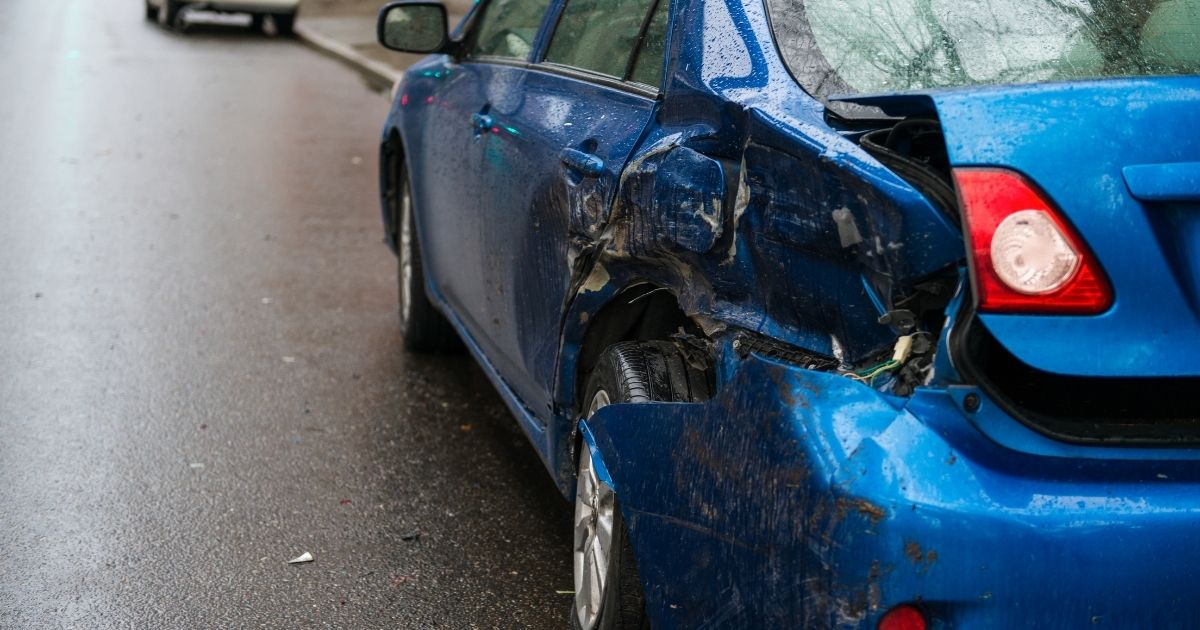
As for property damage, this also depends on the speed and size of vehicles involved in the sideswipe collision. You will usually see dented passenger-side and driver doors, damaged or lost sideview mirrors, and damaged quarter panels. When sideswipes lead to other crashes like hitting stationary objects and rollovers, the injuries and property damage will be more substantial. Your car could be undriveable for weeks or even be totaled.

What Should I Do After a Sideswipe Accident?

As with any other kind of automobile accident, check to see if you and your passengers are injured first, then call 911. The operator will ask questions and instruct you on what to do next. If the vehicle can be driven, they may tell you to move it off the road onto a safe area and then turn on your hazard lights. If you are able, quickly snap a few photos of the other vehicle, including the license plate, as hit-and-run accidents happen more often then you might think in the state of Georgia.

While waiting for help to arrive, you may want to exchange information with the other driver if it is safe to do so. Otherwise, wait for help to arrive and let them guide you through this process. You will want the other party’s name, address, contact information, and pictures of their driver’s license and auto insurance card. Also remember to contact your insurance company in a timely manner. They will also ask a lot of questions but do your best to only provide factual information. Offering opinions can get you into hot water later; people are usually emotional after car accidents and might say the wrong things. Admitting fault for the accident right after a crash is the wrong move, so if you are feeling jittery, wait awhile before making that call.

The Springfield Car Accident Lawyers from Kicklighter Law are Experienced with Handling Sideswipe Auto Collision Cases

If you were involved in a sideswipe car accident and need trusted legal guidance, the Springfield car accident lawyers at Kicklighter Law are ready to help. For a confidential consultation, call our Springfield, Georgia offices at 912-754-6003 or complete our online form. We proudly serve clients throughout Springfield, Effingham County, Savannah, and the surrounding areas.
Common Causes of Pedestrian Accidents

Pedestrian vs. automobile accidents can be serious or fatal because unlike drivers, people who are outside running or walking have no form of protection. It happens more often than you might think, too – the National Highway Traffic Safety Administration (NHTSA) estimates than more than 70,000 pedestrians become injured and more than 4,000 lose their lives every year in these kinds of accidents. These unfortunate events are preventable in most cases and can be due to driver or pedestrian negligence or error.

What Are the Main Reasons for Pedestrian Accidents?

Distracted drivers cause a large percentage of pedestrian accidents. Many are due to texting, emailing, and talking on cellphones when behind the wheel. Other forms of distraction include adjusting the radio, using a GPS, looking at a phone, eating or drinking, personal grooming, or interacting with other passengers or pets while driving. Distracted pedestrians also cause these crashes – think about how often you see people walking and talking or texting.

Intersections are often the site of pedestrian accidents, with left-hand turns being three times as likely to cause pedestrians to get hit by cars. Even when there are crosswalks and signals, drivers who turn left focus more attention on approaching cars than walkers. They are more likely to be on the lookout for vehicles and fail to check for pedestrians who might be crossing.

The NHTSA also reports that alcohol is a contributing factor for approximately 12 percent of pedestrian accidents, whether it be the driver or person out on the street who is under the influence. Sadly, most of these lead to fatal outcomes for either or both. Alcohol is also linked to about 60 percent of all fatal auto crashes that involve young drivers and naturally, drugs also contribute to these accidents.

Other Causes of Pedestrian Accidents

Right-of-way situations when drivers fail to yield for pedestrians can also cause serious injuries and fatalities. Even if a pedestrian ignores a sign or traffic signal, they are still vulnerable to getting hurt, therefore, drivers should allow them to cross when they have started moving. If the person realizes their mistake and starts moving back, wait until they are back on the sidewalk before proceeding to drive forward. Jaywalking can be very dangerous in this respect, and people frequently attempt to cross right at the last minute before a light change. It is best to keep a vigilant eye out for pedestrians on streets with sidewalks, as they have no defense, even if they don’t have the right of way by crossing away from the designated crosswalk.

It can also be hard for motorists to avoid crashes when pedestrians are standing or idling in roadways. It could be a few people talking in the street, kids playing, a whole team of construction workers on the job, or any other kind of hazardous situations.

It is important for drivers to adhere to lower posted speed limits in neighborhood and school zones, and to slow down accordingly in construction zones. Still, a pedestrian who was standing, playing, or lying down in a road could be held liable for an accident if they are not using the designated crosswalks. Pedestrians can also stay safer on shoulders and sidewalks by moving in the same direction as traffic, rather than going toward it.

Low visibility also causes pedestrian accidents, so it is important for pedestrians to wear light-colored clothing when they are out at dusk or night. Most crosswalks and intersections have streetlamps or flashing lights, but it can still be hard for drivers to see those who are walking or running outside in the dark. Reflective clothing and accessories can help with this, and many people rely on them for visibility.

Other Dangerous Situations to Be Aware Of

Poor weather conditions are another contributing factor for these accidents, making it harder for pedestrians and drivers to see at times. Rain, snow, and ice make the ground treacherous, and can cause vehicles to skid and people to fall.

Driving classes teach students to give pedestrians the right of way, but real-life scenarios are different than learning the basics. While there may be some actual encounters during on-the-road lessons, knowing what to do when a pedestrian jumps out in front of you at an intersection can be difficult the first time it happens.

Reckless Drivers and Pedestrian Accidents

It can be hard for drivers to remain patient around pedestrians, but in most states walkers and runners have the right of way even when they do not follow the rules. Drivers who neglect to give pedestrians the right of way, make illegal turns, speed, do not come to complete stops at intersections and fail to slow down are breaking laws and could injure or kill others.

Defective traffic lights and unmarked crosswalks can also create dangerous situations for pedestrians and motorists, and when drivers are speeding or otherwise behaving irresponsibly, the risk of an accident skyrockets. Not using turn signals is another problem, because people out on the street (and other motorists) will have no indication as to a vehicle’s next move and will not realize that they should move out of the way. As the person on the road with the least protection, pedestrians must always keep safety in mind. If a driver’s or pedestrian’s temper flares at a perceived offense, the best thing to do is to ignore it and move on, as no one wants to get involved with a road rage situation.

Driver and Pedestrians Have Responsibilities

Drivers have a duty to exercise care when they are behind the wheel, and this depends on considering variables like traffic, lighting conditions, weather, and the pedestrians on the road. Failing to maintain that duty of care could lead to a charge of negligence when a pedestrian is hurt. When that happens, the driver might be held legally responsible, and be ordered to pay out financial compensation for the pedestrian’s injuries and associated losses.

Pedestrians should be aware that distracted walking, jaywalking and not following traffic signs and signals puts them at risk of getting into accidents. Staying alert is always important, but even more so when there is traffic and approaching intersections. Remember, even if the driver is negligent and held liable for the damages, serious injuries could result that put people out of commission for long periods of time. In the worst-case scenario, a fatality could occur.

These guidelines also apply to others who share the roads, including cyclists. They can be even more vulnerable than pedestrians; even though they can wear helmets, they can be traveling at faster speeds. Drivers need to give them the right of way as well and always maintain the proper distances. Cyclists can also be negligent, but it is important to allow them the right of way and not drive recklessly around them even when they are being aggressive.

Contact a Springfield Car Accident Lawyer from Kicklighter Law if You Were Involved in a Pedestrian vs. Automobile Accident

Even the most safety-conscious motorist and pedestrians end up in serious automobile crashes, and both parties can experience life-threatening injuries, property damages or worse. Reach out to a skilled Springfield car accident lawyer at Kicklighter Law if you or someone you care about was impacted in a crash like this. For an initial consultation, call us at 912-754-6003 or complete our online form. From our offices in Springfield, Georgia we serve clients throughout Springfield, Effingham County, Savannah, and the surrounding areas.

How Can I Avoid a Car Accident Over Labor Day Weekend?

According to the calendar, summer officially ends on Thursday, September 22nd, but most Americans consider Labor Day to be the unofficial end of the summer season. Kids go back to school, the leaves start to change color and the temperatures slowly start to fall, although it will continue to stay warm in Georgia for quite some time. Many travelers may be heading out on the road for one last getaway before summer’s unofficial end.

The increase of travelers on the road increases risk of car accidents for everyone making that last trip of the season. You can reduce the risk of being injured in a car accident by making safety a priority and keeping some important safety tips in mind. If you are involved in a car accident, a skilled car accident lawyer can address all your questions and concerns and assist you with every step of the claims process.

How Common Are Car Accidents Over Labor Day?

According to the National Safety Council (NSC), close to 400 people suffered fatal injuries in car accidents over the Labor Day holiday weekend in 2020. In addition to the tragic fatalities, serious car accidents also cause injuries that require immediate medical attention and hospitalization. Significantly more people are traveling to their end-of-summer holiday destinations this year compared to 2020 now that COVID restrictions are far less strict than they were two years ago. With more cars on the roads during the busy holiday weekend, the number of serious, and fatal accidents could increase this year if motorists engage in unsafe driving behavior, or fail to follow the rules of the road.

What Steps Can I Take to Prevent a Car Accident?

While safety should always be a priority, all motorists should use extra caution when driving over the busy Labor Day weekend. The following are examples of proactive steps you can take to avoid a serious car accident:

  • Wear a seatbelt. While seatbelts do not prevent accidents from happening, they are one of the simplest and most effective ways to prevent serious, potentially fatal injuries if you are involved in an accident. All passengers, including those sitting in the back seat, should always wear a seat belt. Children should be safely secured in a car seat that is appropriate for their height, weight, and age.
  • Do not drink and drive. Drunk driving is one of the most common, yet preventable causes of serious, often fatal car accidents. Too often people drive home from a Labor Day party after consuming too much alcohol. Even a relatively small amount of alcohol can cause decreased coordination, slower reflexes, impaired vision, and slower reaction times. If you plan to consume alcohol, either pick a designated driver who agrees to stay sober or arrange for a ride home from a ride sharing service like Uber or Lyft.
  • Avoid distractions. When you are driving, put the phone somewhere out of reach so that you are not tempted to make a phone call, send a text, or check your social media accounts. Other common distractions that you should avoid include eating, reaching for something in the back seat, setting up the GPS, or interacting with other passengers in the vehicle. Keep in mind that it takes approximately five seconds to send or read a text message. If you are driving at a speed of 55 mph, having your eyes off the road for that amount of time is comparable to driving the entire length of a football field with your eyes closed. A single moment of distraction can have devastating consequences if you hit another vehicle, a bicyclist, or a pedestrian.
  • Avoid drowsy driving. Drowsy driving is another common cause of car accidents that can be prevented. Recognize the signs of drowsiness: excessive blinking and yawning, drifting out of your lane, hitting a rumble strip, or missing your exit. If you start to exhibit any of these symptoms, pull over to a safe spot and get some fresh air or grab a cup of coffee. If you are extremely fatigued, take a short nap while parked somewhere safe  before getting back on the road.
  • Make sure that your vehicle is in good working order. Before taking a long road trip, make an appointment with your local mechanic to ensure that your vehicle’s tires are properly aligned, and that they have the correct tire pressure. A mechanic should also check your vehicle’s brakes, transmission, and engine, and ensure that all necessary fluids are topped off, including wiper fluid, engine oil, power steering fluid, coolants, and transmission fluid.
  • Plan your route. Even if you have a GPS system or rely on navigation apps for directions, familiarize yourself with your route before you hit the road. Too often, motorists who are unfamiliar with their route make sudden, unexpected lane changes where they end up cutting off other drivers and causing serious car accidents.
  • Use caution when driving near large trucks. Large commercial trucks have blind spots, including at least 20 feet in front of the truck, approximately 30 feet behind the truck, and on both sides of the truck. The passenger side of the truck has a larger blind spot. Motorists are responsible for being aware of a truck’s blind spots and making sure that they avoid them. One tip to keep in mind is that if you cannot see the truck driver in his or her mirrors, the truck driver cannot see you. Never cut in front of a large truck as they require significantly more road space to slow down or come to a complete stop.
  • Avoid driving when traffic is heaviest. If possible, travel during off hours when fewer people are on the roads to avoid traffic and accidents. That may mean leaving very early in the morning, or at night when the peak traffic has slowed down. Check for traffic updates so that you are aware of any accidents, road closures, or other delays that could cause heavier traffic and increase the risk of an accident during the holiday weekend. 
  • Avoid driving late at night. Most fatal car accidents that occur over Labor Day happen at night, so you should avoid driving from sunset to sunrise if possible. In addition to the fact that you are more likely to be drowsy when driving at night, there are also more drunk drivers on the roads at night, particularly during a holiday weekend.
  • Do not tailgate. Tailgating increases the risk of rear-end accidents, as well as multi-vehicle car accidents if you are tailgating on a busy highway. Maintain a safe distance between your vehicle and the car or truck in front of you and increase the following distance during inclement weather.
  • Be a defensive driver. Take reasonable, proactive steps to prevent a car accident: check the weather before you even start your trip. Plan your route in advance. Check your side and rearview mirrors regularly, scan the road ahead for possible hazards and adjust your speed and following distance, especially when traffic is heavy.
  • Obey the rules of the road. Obey the posted speed limit, yield to the right of way, use your signals properly and check your blind spots before changing lanes.
  • Keep an emergency safety kit in your vehicle. Like wearing a seat belt, this will not prevent a car accident, but it will ensure that you have immediate access to some important items while you wait for help to arrive. An emergency kit should include bottled water, non-perishable snacks, a flashlight, extra batteries, blankets, dry clothes, jumper cables, and a first-aid kit.

Springfield Car Accident Lawyers at Kicklighter Law Represent Victims of Labor Day Car Accidents

If you or someone you know has been seriously injured in a car accident over the Labor Day holiday weekend, it is in your best interest to contact our Springfield car accident lawyers at Kicklighter Law. We will continue to fight for you until you are completely satisfied. To schedule a confidential consultation, call us today at 912-754-6003 or contact us online. With our offices located in Springfield, Georgia, we proudly serve all clients of Springfield, Effingham County, Savannah, and surrounding areas.

Does Back-to-School Traffic Cause an Increase In Car Accidents?

Drivers in Georgia complain about the increase in tourist and vacationer traffic during the summer months, but late summer and early autumn brings another traffic surge as children go back to school and normal commuting habits start back up.

The result of more cars, trucks, vans, SUVs, and school buses on the road is a higher likelihood of crashes. Many cities across the nation have noted a rise in car accidents during the weeks when kids return to the classroom. Car accidents can be devastating and costly. You can help reduce the chances of being in a back-to-school car accident by understanding more about this annual phenomenon and taking precautionary measures when you are behind the wheel.

 What Causes the Increase in Back-to-School Car Wrecks?

As mentioned above, more vehicles use common roadways in the morning and late afternoon hours when schools are in session. This naturally increases traffic, slows down traffic patterns, and increases time-to-commute. Yet a rise in the number of vehicles is hardly the only reason that back-to-school time often correlates with a bump up in crashes.

The next few paragraphs will address other contributing factors that can make late summer and early fall traffic more hazardous for drivers, passengers, and pedestrians.

Contributor #1: Buses

Plenty of children and their families take advantage of public transportation for their kids’ commutes to school. Unless kids are traveling on city buses, they are usually taking yellow buses to school.

Yellow school buses may stop several times in a one-mile stretch to pick up students, affecting traffic patterns for all cars behind them. They also stop at railway crossings. Despite the fact that school buses have the right of way, drivers may become impatient and try to pass them. Or, distracted drivers may forget to use caution and end up running into stopped school buses. It is always best to give school buses the room they need to maneuver and safely transport their young passengers. It is illegal to pass a school bus when the stop sign arm is extended and the red lights are flashing.

Contributor #2: New Drivers

Many teens take advantage of the long summer to finally get their driver’s license. A teen with a driver’s license is technically able to drive, of course, but they are inexperienced. That inexperience can lead them to use poor judgment or make bad choices. For example, teenagers are statistically more likely to allow distractions like the alert of a text message to interrupt their concentration levels. Even looking briefly at a phone while driving can set the stage for a catastrophic crash.

Contributor #3: Construction

It would be wonderful if all highway and street construction were finished by the time kids came back to school. Unfortunately, road construction projects can be delayed or extended. By the time back-to-school arrives, construction crews are still working hard to maintain and upgrade roadway surfaces.

The law is clear about driving conscientiously and slowly in construction zones. When faced with increased traffic and perhaps the worry of getting to school or work late, some drivers go too fast. Speeding in a construction zone can lead to a driver being fined. Additionally, it can be the cause of a crash.

Contributor #4: Sleep Deprivation

Summer affords many teenagers and even some parents the opportunity to sleep in, at least a little. Most schools start fairly early, though, which means that kids and parents may have to be ready earlier than normal. The result? They can feel a little weary and drowsy in the morning.

Younger teen drivers are especially at risk of not getting enough recuperative sleep before getting on the road. Teenagers need at least nine hours of sleep, but tend to get less than seven hours per night according to research. Mixed with their inexperience navigating in potentially heavy traffic, sleepy teen drivers may make more mistakes than their well-rested counterparts.

Contributor #5: Pedestrians and Cyclists

Not all children rely on motorized vehicles to get them to and from school. Some walk and others ride their bikes. These activities afford them the opportunity to get lots of exercise and maybe spend time with friends and siblings.

An increase in pedestrians and cyclists means that drivers need to be more cautious. Children should look both ways before crossing streets. They also should stay within crosswalks. However, they may forget or neglect these rules. It is up to drivers to make sure that they anticipate sharing the road with walkers and bikers.

How to Avoid Getting into a Back-to-School Accident?

You cannot change the fact that traffic might be harder to navigate at the end of August and beginning of September. You can change the way you prepare yourself as a driver, though. Taking just a few proactive measures can mean the difference between getting into an accident or arriving where you want to go without any problems.

Below are some of the top ways to handle driving during one of the busiest times of the year in Georgia:

  • Prioritize your time management. Are you someone who usually leaves the house far later than intended? This behavior pattern can make you more likely to rush to work or be impatient with other drivers. Use the first few back-to-school weeks as excuses to get on top of your time management. Wake up a bit earlier, drink your morning coffee faster, and give yourself enough time to get where you need to go.
  • Take teen drivers on the roads more often. If you have a teen driver in your household, take a few practice runs to and from the places your teen will most commonly go. These locations could include school, a friend’s house, soccer fields, the park, the mall, or the child’s job. Getting a feel for the roads will help your teen’s driving confidence and ability.
  • Expect the unexpected. Other drivers as well as pedestrians and cyclists can be unpredictable. Drive defensively and expect anything to happen. Stay within speed limits and avoid any distractions, including eating breakfast on the way to work.
  • Give school buses the room they expect. You can probably guess when and where you will be most likely to encounter school buses and vans. Stay attuned to them and put their drivers’ needs first.
  • Make sure everyone in your household gets enough sleep. Though it may be hard to move to a more stringent sleep schedule, you can do everyone in your home a favor by insisting on earlier bedtimes. This is especially critical for you and your driver teens. Drowsy driving is a real problem that winds up causing accidents and crash-related injuries.
  • Be careful in school zones. School zones are places where you need to slow down during specific times of the day. Either avoid school zones if you are in a hurry or plan for your drive time to be longer because of them.
  • Use apps to find out about construction. Wondering if you are going to encounter construction during your daily commute? Many apps show active construction sites, allowing you to bypass them by taking less-traveled roads.

What Should You Do If You Are in a Back-to-School Accident?

An accident can be jarring and feel overwhelming. If you get into an accident:

  • Call 911 immediately
  • Try to move your car to a safer location if you can
  • Assess the damages and make sure not to move anyone who has been seriously hurt
  • While waiting for police and first responders to arrive, take snapshots of the scene. These may be helpful if you need to work with a car accident lawyer to compel insurance companies to cover any property damage or personal injury you experience.
  • Above all else, get medical care to address any new symptoms that happen after your crash. These could include anything from headaches and blurry vision to back pain and bruises. Many accident injuries take time to show up rather than appear right away.
  • Contact a car accident attorney

A knowledgeable car accident lawyer can help you understand how to move through the process of recovering damages if you have trouble getting fairly compensated after your crash.

Contact a Savannah Car Accident Lawyer at Kicklighter Law to Talk about Your Georgia Back-to-School Car Wreck

Did a back-to-school accident leave you overwhelmed with bills? Speak with a Savannah car accident lawyers at Kicklighter Law. Call our firm at 912-754-6003 or contact us online to arrange a consultation at our office in Springfield, Georgia. Our firm serves clients throughout Effingham County.

Can I Be Arrested for Driving Under the Influence of a Prescription Drug?

It is common knowledge that getting behind the wheel after consuming too much alcohol can increase the risk of a car accident. Alcohol affects coordination, judgment, and the ability to react quickly to emergency driving situations. However, alcohol and illegal drugs are not the only substances that can cause motorists to become impaired. Many prescription and over-the-counter medications can cause drowsiness, nausea, and other side effects that can affect a motorist’s ability to safely operate a vehicle. What may come as a surprise is the fact that you can receive a DUI for driving while under the influence of a prescription medication. If you are facing a DUI charge, contact a skilled DUI lawyer at your earliest convenience.

What Are Georgia’s DUI Laws?

Georgia has strict laws against driving under the influence of drugs, or any substance that can cause impairments. According to Georgia DUI laws, motorists are prohibited from driving, or being in control of a vehicle if they meet any of the following circumstances:

  • They are under the influence of alcohol or any drug to a degree that makes it less safe for them to be operating a motor vehicle.
  • They are under the influence of an aerosol, glue, or other toxic vapor to an extent that they are impaired, making it less safe for them to drive.
  • They are under the influence of two or more controlled substances, including opiates, stimulants, or depressants, to an extent that it is less safe for the person to operate a motor vehicle.
  • The driver’s alcohol concentration is 0.08 BAC or more within three hours of getting behind the wheel.
  • There is a detectable amount of marijuana or controlled substance present in the person’s blood, urine, or both.

How Can Prescription Drugs Impact My Ability to Drive Safely?

Prescription medications are used to treat a wide range of health conditions from depression and anxiety to hypertension and diabetes. However, many of these drugs also have side effects that can impair your ability to safely operate a motor vehicle, even when you take the medication as prescribed. When combined with even a small amount of alcohol, impairments are often more extreme, although this is not always the case. The following are examples of how certain prescription medications can affect your driving:

  • Dizziness
  • Drowsiness
  • Nausea
  • Inability to focus
  • Delayed reactions

How Do Georgia’s DUI Laws Apply to Prescription Medications?

If you are taking a prescription medication that impairs your ability to safely operate a motor vehicle, you could be charged with a DUI. In addition, if you combine your prescription medication with even a small amount of alcohol, this can make you less safe as a driver.

Unfortunately, people do not always realize how their medications could impact their ability to drive, particularly if they are taking a combination of medications that could cause a range of side effects. In addition, motorists often assume that if they have a valid prescription for the prescription drugs they are taking, they will not face any legal consequences if they are facing a possible DUI charge, but that is not the case. If the prescription medication makes you a more dangerous driver, you could be charged with a DUI and face the same consequences as if you were under the influence of alcohol or a controlled substance.

What Are the Penalties for a DUI Charge?

If you have been charged with a DUI, the penalties are severe, even if the DUI charge involves a prescription drug. For example, Georgia DUI laws call for mandatory jail time, even if it is your first offense. If convicted, you may also face the following:

  • Alcohol and drug testing
  • Fees and costs
  • License restrictions
  • Mandatory DUI classes
  • Probation

When Can Prescription Medication Be Used as a Defense Strategy?

According to the Centers for Disease Control and Prevention (CDC), close to 50 percent of all Americans take at least one prescription medication, and over 23 percent take three or more. Too often, drivers have no idea that they could face DUI charges for taking a prescription medication. However, if a law enforcement officer believes that your driving is impaired, they may first ask whether you are under the influence of drugs or alcohol. Next, they will ask whether you are taking any prescription medications. If the officer feels it is warranted, they may arrest you and request that you submit to a blood test. If it comes back positive for medication, the state may proceed with a DUI prosecution against you.

While simply stating that you have a valid prescription from a doctor is not a viable defense, it is important to understand that when the police officer charged you with a DUI, they had to make a judgment call regarding your level of impairment and if it meets the “less safe” requirement. Oftentimes, officers are wrong, or are too quick to charge a driver with a DUI when the driver is not actually impaired. When testifying in court, police officers are often unable to provide specific evidence about what effect the drug had on your ability to drive. In addition, when police conduct DUI stops, they often use the same sobriety tests for prescription medications as they do for alcohol. However, you may have an underlying condition that causes some of the same cues as being intoxicated, even if it has no impact on your ability to drive safely. Field sobriety tests are not approved by the courts to support a prescription drug DUI charge.

If a police officer orders you to provide a blood or urine sample for drug testing, keep in mind that prescription drugs are often detected even when you are no longer under the influence of that medication. For example, if you took an Ambien pill to help you sleep, and you get pulled over the next day, the medication will still be in your system even though you are no longer under the influence, or unsafe to drive. An experienced DUI lawyer will review your case, determine whether prosecutors are relying on inaccurate information, and develop an effective defense strategy aimed at reducing the charges or getting your case dismissed.

What Other Defense Strategies Are Used in DUI Cases?

Every DUI case is unique, and there is no single strategy that will be effective for every case, particularly when the case involves prescription medication. However, the following are examples of some of the best defenses the DUI lawyers often use:

  • The officer did not have a valid reason to initiate a DUI stop.
  • The field sobriety test was not issued according to procedure.
  • The driver was not properly advised about their implied consent rights about chemical testing.
  • The drug levels in a blood or urine test were within the therapeutic range.
  • The officer did not advise you of your Miranda rights prior to questioning.
  • Your blood sample was mixed up with another person’s sample.
  • The officer was not properly trained to make prescription drug DUI arrests.

How Can I Avoid a Prescription Drug DUI Charge?

If you are taking any type of medication, whether it is prescription or over the counter, it is important that you understand the effects that the drug can have on your body.

  • Read the label to see whether it should be taken with or without food, if it causes drowsiness or other side effects, and if it warns against driving or operating any type of machinery while taking the drug.
  • Speak to your doctor about your prescription, including possible side effects, and whether it will interact with any other drug you are taking, including prescription drugs, over-the-counter medications and even vitamins and supplements.
  • Any time your physician starts you on a new course of treatment or increases the dose of a drug you are taking, ask them whether it is safe to drive while taking this drug.

Ask whether it will cause any of the following impairments:

  • Impaired coordination or balance
  • Slower reflexes
  • Drowsiness
  • Cognitive and decision-making impairments
  • Heightened anxiety or other mood-related issues
  • Medication makes it easier to become intoxicated

Savannah DUI Lawyers at Kicklighter Law Help Motorists Who Have Been Charged with a DUI

If you have been charged with a prescription drug DUI, you are strongly urged to contact the Savannah DUI lawyers at Kicklighter Law as soon as possible. We have a proven track record of developing effective defense strategies that protect our clients’ legal rights and avoid steep fines, license suspensions and jail time. Our skilled legal team will thoroughly review your case, address your questions and concerns, and recommend the best legal course of action. To schedule a confidential consultation, call us today at 912-754-6003 or contact us online. From our offices located in Springfield, Georgia, we proudly serve all clients of Springfield, Effingham County, Savannah, and surrounding areas.

How to Travel Safely with a Pet?

If you are like most families, your dog or cat or other pet is treated like a member of the family. Pets give us love and comfort and fun. Families with children often have dogs and cats to teach their children compassion and responsibility. The children love their pets and experience unconditional love from them. They learn to be responsible for them by walking their pets, feeding them, and taking care of them.

That is why it is so important to consider our pets’ safety when traveling with them. Because car accidents happen all the time, you never know when it is going to happen to you. No matter how safe we are and no matter how much of a defensive driver we are, there is still a chance of a negligent driver causing a crash. That is why we must do things to protect our pets when we travel with them. After all, you would not put your child in the car without a car seat, right? In the same manner, it is also prudent to secure your pets when travelling – for your safety and theirs.  

10 Tips to Keep Our Pets Safe When They Ride with Us in the Car

Many of these tips can be used for any kind of pet, but it is geared mostly for dogs and cats. Most people will not take their beloved family goldfish to run errands with them. So, these tips are not geared to family pets like that. Here are 7 tips that you can consider using to keep your pet safe when they travel for you in a vehicle:

1. Dogs and Cats Should Not Roam In The Vehicle

One way to keep your pets safe while in the car with you is to not let them roam around the vehicle. They should be confined somehow, ideally in a crate that’s fastened. The point is that if they are roaming around the inside of the vehicle and you are hit by another driver in an accident, your pet could be seriously injured. The crash will throw them around inside the car, but if they are secured inside a crate which is itself tied down somehow, this will not happen.

2. Pets Should Not Be in The Front Seat

The back seat is generally thought of as the safest place in the vehicle. If a dog or cat is contained in a carrier, use the back seat seatbelts to fasten them in. It will provide the most protection from either a front-end collision or a rear end collision. Also, if they are in the front passenger seat during a crash, your pet may be seriously injured or even killed by the airbag engaging. Those airbags are designed to protect humans, not pets.

3. Keep Dogs’ Heads Inside the Car

This is going to be a tough one to follow, given dogs’ joy of sticking their heads out the car window and enjoying the breezes in the face, but there is risk of injury if you allow your dog to do this. If your dog’s head is sticking out of the car window then there is a risk that they might be hit by something, either debris being kicked up by your tires or even another car that accidentally drove too close to you. This also goes for a related issue of allowing your dogs to travel in the back of a truck, in the truck bed. This is extremely dangerous for your dog if you get into an accident. There is nothing that can protect your dog who is riding in the truck bed. If you get into an accident, your dog could easily be thrown out of the truck and land dozens of feet away.

4. Make Several Stops on Long Trips

Do not forget to make several pit stops for your pet during long trips. This will help you, the driver, continue to stay alert and awake and to stretch your legs, but your dog as well. Make their ride more comfortable by giving them bathroom breaks and let them stretch their legs. Make sure that your pet is always on a leash, has a collar with a tag on it with contact information, just in case your dog gets loose.

5. Do Not Leave Your Pet Alone in the Car

There are news stories all the time of people leaving their pets in their vehicles on hot days. Usually, it is on the news because someone smashed out a window to save the pet. On days when it is hot out, just leave your pet at home if you cannot take them inside the store with you. The problem is that on merely mildly hot days, even with the windows partially rolled down, it can become too hot for pets. Even on a mild, 75-degree day, it can take only 10 minutes for the inside of a car to get to 104 degrees, putting your pet at risk. Dogs can only regulate their internal heat by mostly panting. If it gets too hot inside the vehicle too quickly, it could kill your pet.

6. Pets Can Get Car Sick

Dogs can get car sick just like humans do. One way to help them go through long trips in the car is to feed them a few hours before you begin the trip. Having a full belly will help prevent car sickness and having an accident inside your vehicle.

7. Take Test Trips Before a Long Trip

If your pet is not used to traveling long distances in a vehicle, take them on several shorter trips with you. This will allow them to associate your vehicle with something positive and they will be more comfortable spending long periods of time in the car. Ultimately, you want your pet to be relaxed enough that they can nap just like they do most of the day while at home.

8. Bring Enough Water for Your Pet to Drink

Pet owners often forget about bringing water for their pet to drink during a long trip. Not only is the water important remember but also remember to pack a bowl or something for them to drink out of. This brings up a related topic of packing a travel bag specifically for your pet. When you go on a trip, you will pack some luggage for yourself. You pack a bag for your pet as well. Your pet’s travel bag should include food, toys, extra leash, pick-up bags for their bathroom trips, grooming supplies, medication, water, and bowls to drink and eat out of. When your pet has the things that they are used to, they will feel more comfortable and relaxed with familiar items around them.

9. Microchip Your Pet

If you have not done so already, make sure to have your pet microchipped. This will help significantly if your pet gets loose in an area that they are not used to. It will help you recover your lost loved one and family member.

10. Bring Your Pet’s Vaccination Records

If you are traveling across state lines, it might be a good idea to bring your pet’s vaccination records just in case you need to prove that they are currently vaccinated.

The Springfield Car Accident Lawyers at Kicklighter Law Can Answer Your Car Accident Questions

If you or a family member has been seriously injured in a car crash, you may have a lot of questions about what should be done and what to do first. The Springfield car accident lawyers at Kicklighter Law have decades of experience in helping those seriously injured by other driver’s negligence. Call us at 912-754-6003 or contact us online for a consultation. Located in Springfield, Georgia, we serve clients throughout Effingham County.

Do Drunk Driving Accidents Increase in the Summer Months?

The summer is fully underway, with many of us spending time with families and friends enjoying vacations, travelling to the beach, graduation parties, or other fun celebrations. With all the free time and excitement, it is not uncommon for people to relax with drink, but there are those that are irresponsible and partake in drunk driving, making the summer season the most dangerous time of year with driving under the influence (DUI) car accidents.

The summer has some of the most celebrated and popular holidays: Memorial Day, the Fourth of July, and Labor Day. With millions of travelers packing the roads during these holidays and the weeks leading up, the chances of getting into a car accident is already increased. Combining that with alcohol consumption, it is no wonder that the summer season is so dangerous with drunk drivers. In fact, according to the National Highway Traffic Safety Administration (NHTSA), there are more drunk drivers involved in fatal crashes during the months of May, June, and July than any other time of the year. Additionally:

  • The NHTSA found that the number of drunk driving accidents double during the summer months compared to all other months combined.
  • The Centers for Disease Control and Prevention (CDC) found that there is an average of 29 deaths in drunk driving accidents per day, or one death every 50 minutes.
  • The three of the five most dangerous holidays involving DUI fatalities are in the summer. The five holidays are: New Year’s Day, Fourth of July, Thanksgiving, Labor Day, and Memorial Day. On Independence Day, you have a 78 percent higher-than-average risk to be killed in a drunk driving accident. For Labor Day and Memorial Day, you have a 54 percent and 50 percent higher-than-average risk, respectively.
  • The deadliest days of the week for DUI-related accidents occur on Saturday and Sunday, with Tuesday being the least dangerous. Almost 25 percent of weekly DUI accidents occur on Saturday, while Sunday sees 21.5 percent of DUI accidents. Sunday is second to Saturday, mainly because DUI accidents happen more frequently between the hours of midnight and 3 a.m.
  • The projected most dangerous week of 2022 is Independence Day week, where DUI accidents are expected to increase. The second most dangerous week of 2022 is projected to start on August 8th, with the third being the week before starting August 1st. This is because these are the weeks when summer travel is expected to be at its highest.
  • The NHTSA found that about 27 percent of drunk drivers are between the ages of 21 and 24, while males are more likely to drive drunk compared to females.
  • The months of June, July and August are also considered the most dangerous for teenage drivers, not only because of their inexperience behind the wheel, but because they also engage in underage drinking.

Protecting Yourself from Drunk Drivers

In order to protect yourself from drunk drivers, it may be helpful to understand what happens to the body when consuming alcohol, as well as recognizing who may be under the influence. Alcohol impairs judgement and can cause hazardous behavior behind the wheel. Even one drink can impair someone’s ability to drive, particularly their ability to multitask and stay focused. It can also reduce the ability to track moving objects or can lead to visual impairment. Alcohol consumption can also cause:

  • Decreased muscle control
  • Delayed reaction times
  • Drowsiness
  • Loss of coordination and balance
  • Short-term memory loss
  • Slower thinking
  • Slurred speech

If you plan on travelling during the summer, here are a few tips to help protect yourself and your family from drunk drivers:

  • Wear your seat belt: Always wear your seat belt, even on short trips. Seat belts have repeatedly been proven to save lives in a crash, and is the best defense in any car accident, not just DUI-related accidents. Make sure that children are in their properly fitted car seat and that they are restrained fully. You and everyone else in your vehicle should be wearing their seatbelts no matter what.
  • Defensive driving: Defensive driving helps keep you and others safe, particularly if you suspect a driver nearby you is drunk. Keep your distance from their vehicle especially if they are swerving, and if they are driving aggressively, move to the right lane and let them pass you. If you notice a vehicle heading towards you, pull to the right and stop, honk your horn, and flash your lights to alert them.
  • Avoid driving at night: The majority of DUI-related accidents, as well as fatal crashes, happen at night, particularly between the hours of midnight and three a.m. With lower visibility, it is already difficult to drive safely at night, and with drunk drivers lurking about, the chances of an accident increase. Stay home at night whenever possible.
  • Be alert: Another aspect of defensive driving is being alert and trying to anticipate the moves of other drivers. Be extra cautious in areas where a drunk driver could make a mistake, such as at a stop sign or an intersection. Before crossing an intersection, make sure the way is clear even if you have the green, and if you do see someone approaching, be sure that they come to a stop before crossing.
  • Plan ahead: If you do decide to go out and have a few drinks, please do so responsibly and plan your way home ahead of time. Have a designated driver who is not drinking ready to go or use a taxi or a ridesharing app like Uber or Lyft to get you home safely. Never assume someone who had even one drink is sober enough to drive home.
  • No distractions: Driving without distractions keeps you safe and your eyes on the road, especially at night when your attention needs to be on safety. Distracted driving is just as dangerous as drunk driving and is a leading cause of car accidents in the country. Put your phone away and always keep your attention on the road.

Common Injuries Caused by Drunk Drivers

There is a myriad of injuries that a drunk driver can cause, some permanently disabling or even deadly. The most common DUI-related injuries include:

  • Broken and fractured bones
  • Burns
  • Crushing injuries
  • Cuts and lacerations
  • Death
  • Internal organ damage
  • Neck, back, and shoulder injuries
  • Soft tissue injuries
  • Spinal cord injuries or paralysis
  • Traumatic brain injuries (TBI)

If you have been in an accident involving a drunk driver, then it is likely that you have suffered any one of these injuries or more. You may be able to seek financial compensation by filing a lawsuit, which could cover:

  • Disability, disfigurement, or scarring
  • Lost wages and ability to earn income
  • Medical expenses, hospitalization, and treatments
  • Pain and suffering
  • Property damage
  • Wrongful death

DUI Penalties in Georgia

There are many penalties you would face in the state of Georgia if you were charged with a DUI-related offense. Not only are they monetarily, but they could also be lifelong, especially if a drunk driving accident severely injured someone or took a life. Some potential penalties for a first DUI charge include:

  • One year probation
  • A minimum fine of up to $300, plus court costs
  • Between one to ten days in jail
  • 40 hours of community service
  • Substance abuse counseling
  • Driver’s license suspension

A second or third DUI charge in Georgia can mean up to 36 months of probation, up to five years of driver’s license suspension, up to 12 months in jail, and other substantial penalties. Four-time DUI offenders face more severe penalties, such as felony charges, 10 years of suspended license, up to five years in prison, and more.

Springfield Car Accident Lawyers at Kicklighter Law Help Victims of Drunk Driving Receive Compensation for their Damages

If you have been injured in an accident with a drunk driver, you may be entitled to further compensation. Contact our Springfield car accident lawyers at Kicklighter Law today. Call us today at 912-754-6003 or fill out our online form for a consultation. With our offices located in Springfield, Georgia, we proudly serve all clients of Springfield, Effingham County, Savannah, and surrounding areas.

CONTACT US

Call Us: 912-754-6003

412 North Laurel Street
Springfield, GA 31329

Telephone: 912-754-6003
Fax: 912-754-6336

Email: [email protected]

Providing Superior Representation All Across Georgia.